Rachel Burns, LCMHC
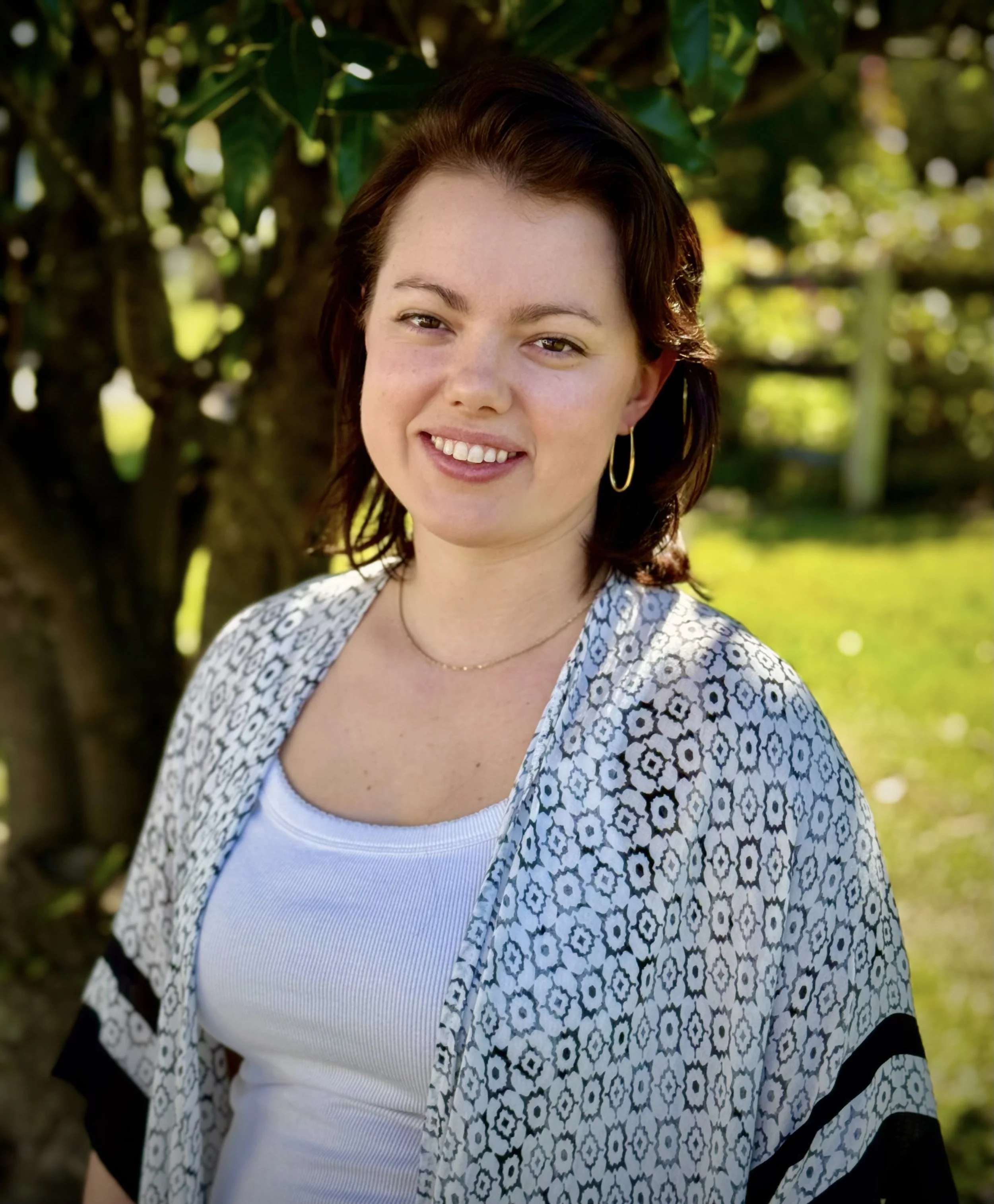
Being human is learning how to let go.
There are seasons when letting go feels impossible, when the unknown of transition asks more than you can hold alone. That is when it can help to have someone alongside you. I work relationally and with deep respect for the body’s wisdom, paying attention not only to what is said, but to what is happening in the present moment.
Many people come to this work during a season of shedding: questioning what they were taught to believe, disentangling from harmful systems or relationships, or realizing how much energy has gone into performing instead of living. Often, the body has been carrying this long before there are words for it.
My work begins there.
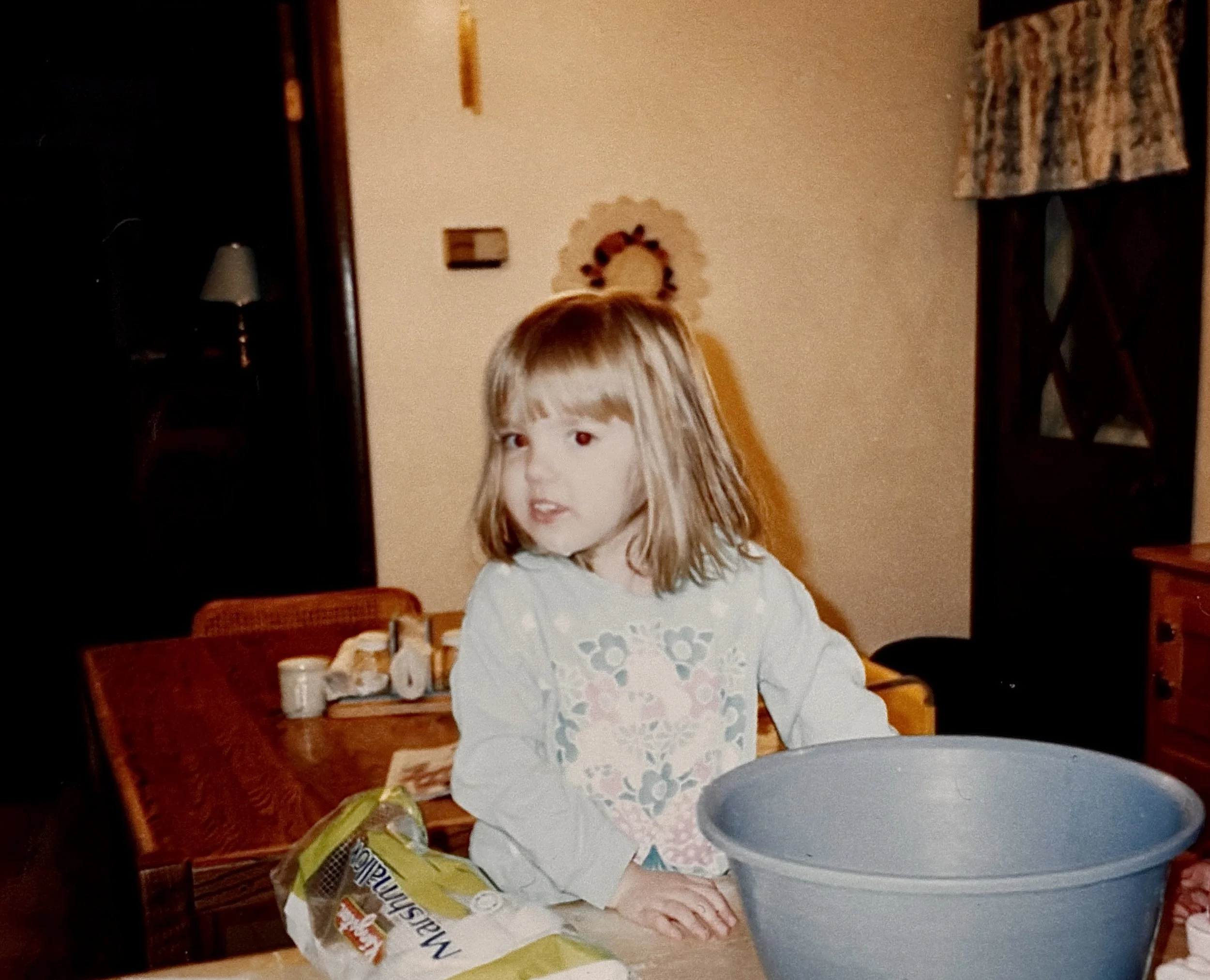
My Path to Healing Work
I came to the healing profession through my own need for support with my mental health as a college student. I did not have language for it then, but over time I began to unravel the effects of religious trauma and the long return to embodied spirituality. Growing up in a fundamentalist environment taught me early to distrust my inner life: my emotions, desires, and bodily knowing. Healing required unlearning what I had been taught about selfhood, womanhood, whiteness, and identity, and slowly rebuilding a relationship with my own nervous system.
This healing journey eventually asked to be written. The Gospel of Rose emerged as a series of letters written from the voice of Mother Rose, tracing the movement from fundamentalist control toward embodied sovereignty, reclaiming spiritual authority without recreating hierarchy. Where therapy is relational and lived, the book holds what could only be carried through story.
In that same spirit, therapy became meaningful to me not as a set of techniques, but as a relational space where presence made healing possible. My training includes EMDR, which I integrate within a body-aware, consent-based approach when it supports processing and integration.
I have worked across a range of clinical settings and alongside many clients navigating neurodivergence, trauma, spiritual harm, family conflict, and identity transitions. Again and again, I have witnessed that healing comes from attuned presence and respect for the body’s pace.
What It’s Like to Work with Me
Sessions with me are steady, relational, and consent-based. We pay attention not only to what you say, but to what your body is communicating through sensation, emotion, and nervous system response.
I do not rush insight or push for resolution. I am interested in what is emerging now and how your system is organizing around it. Together, we notice patterns, protective responses, and places where your body learned to brace or shut down in order to survive.
Healing here is learning how to trust yourself again.
That trust is rebuilt through listening to your emotions, your body, and your lived experience. My role is to offer skilled presence, structure when helpful, and a steady relational anchor as you reconnect with your own internal signals.
As we work together, many clients notice a reduction in overwhelm and reactivity, along with a growing ability to stay present with themselves and others. People often report clearer self-trust, more choice in how they respond to stress or relationships, and less reliance on old survival patterns. These changes tend to emerge gradually, as your system learns new ways of responding.
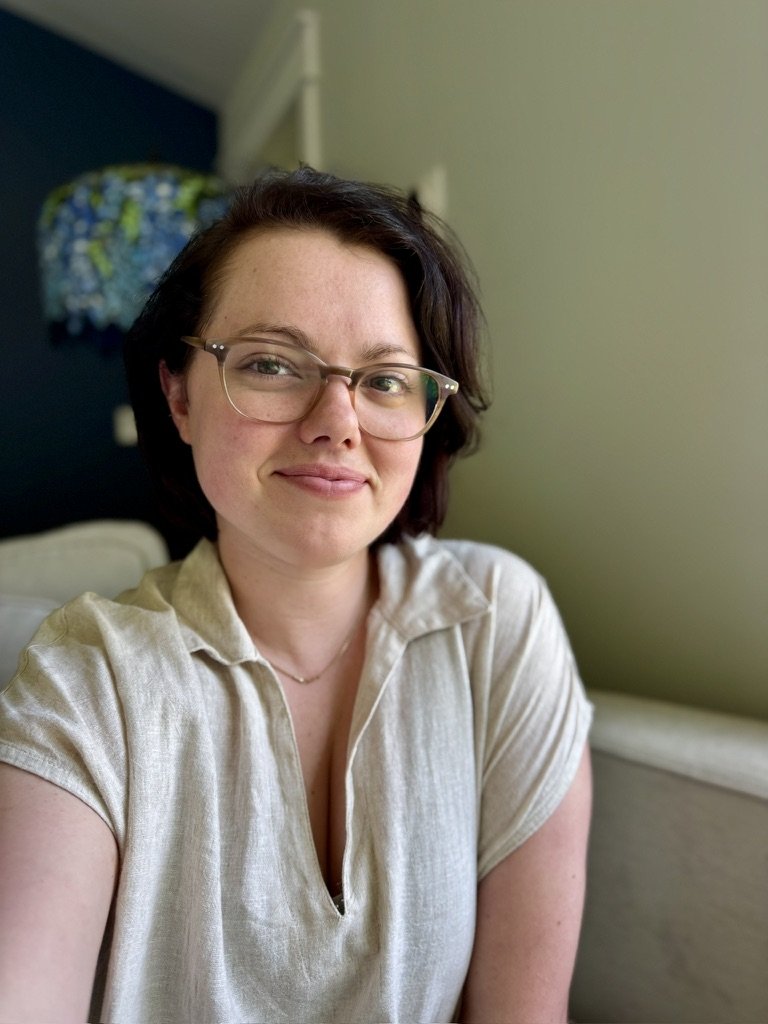
Who I Tend to Work With
My practice is especially shaped by work with:
People healing from religious trauma or spiritual harm
Individuals who feel exhausted from performing or self-monitoring
Members of the queer community seeking embodied, affirming care
Folks with ADHD navigating overwhelm, masking, or self-trust
Adults healing from complex childhood trauma, sexual abuse, or relational harm
Therapists and caregivers navigating burnout or identity shifts

An Open Invitation
If you are looking for a therapeutic relationship that honors your full humanity: body, emotions, history, and intuition. We can begin with a consultation to see if this is a good fit.
I’m looking forward to it.
Connect with me:
Clinical Practice Inquiries
Podcast Guest Opportunities
General Inquiries
If you are reaching out about therapy, please include a brief note about what you are seeking and your location. I will respond as I am able.